Decide Room by Room
Start with the cleanup assessment: the pros we connect you with can explain which rooms and materials were affected and what work is planned. In Longmont, a homeowner may be able to stay in a separate part of the house if the provider says it is suitable for use. The answer depends on the layout and the work underway, not simply on whether sewage is visible. Ask which spaces are usable before deciding where the household can remain.
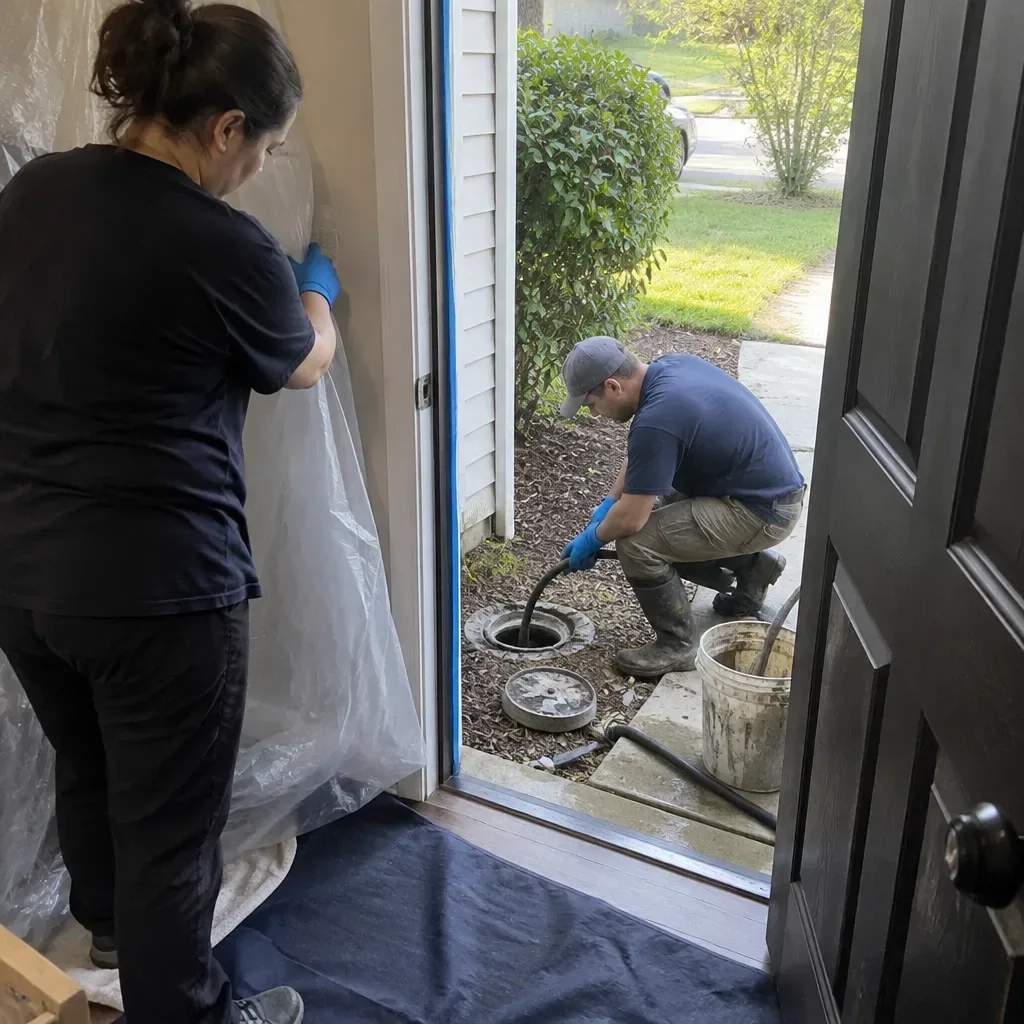
Next, consider how people will move through the home while equipment and materials are being handled. A kitchen or bathroom that shares the work route may be unavailable even if it was not the first room affected. Near Dickens Farm Nature Area, as elsewhere in Longmont, the household should agree on a route with the provider and avoid crossing areas being cleaned. A clear plan can prevent someone from carrying contamination into rooms meant for ordinary use.
Notice Signs of a Wider Impact
A strong sewage odor, damp flooring, or visible wastewater outside the first affected room calls for a fresh assessment. In Longmont, the owner should report those changes to the cleanup provider rather than treating the next room as safe because it looks dry. Odor or moisture can point to a wider work area, and the provider can advise whether household members should relocate while the extent is checked.
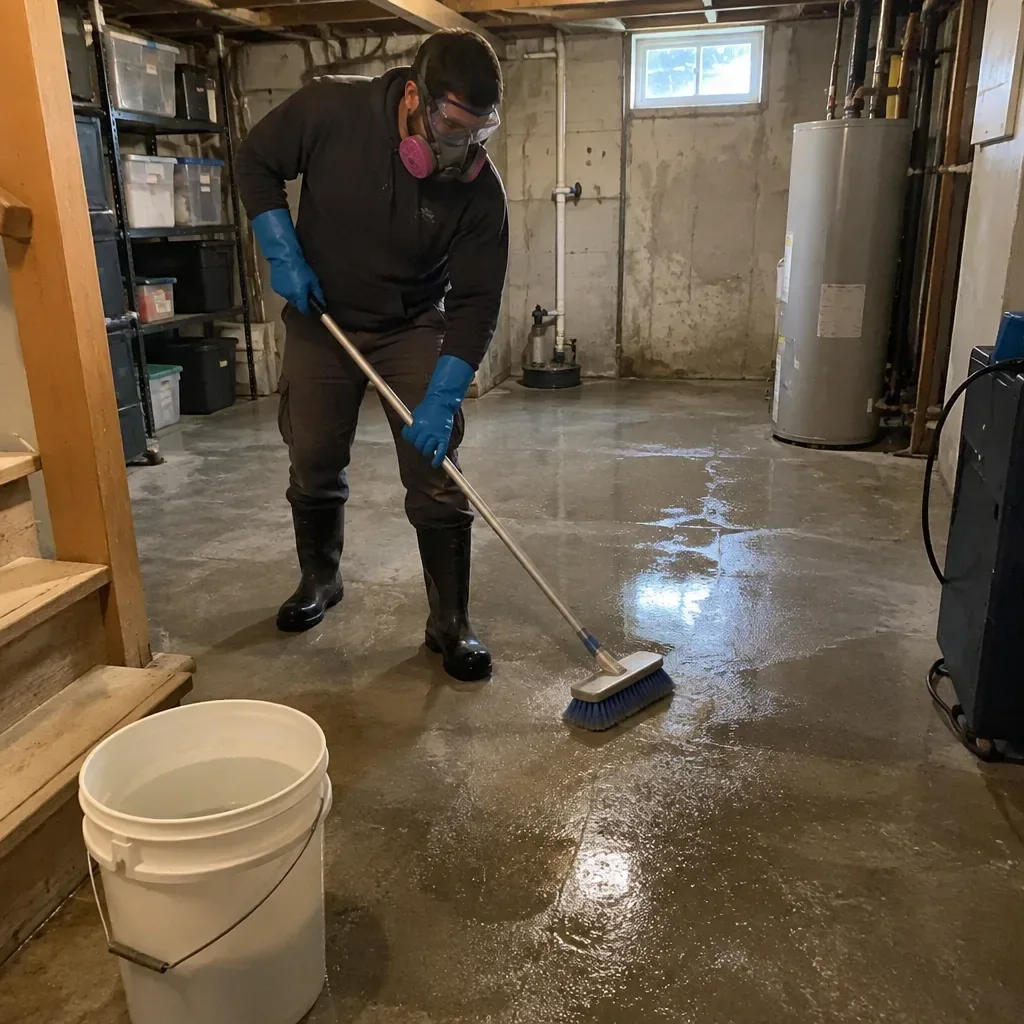
The material matters as much as the room. Sewage can soak into carpet, padding, and other absorbent surfaces, which may have to be removed before the remaining area is cleaned and disinfected. Drying follows that work because moisture left in building materials can linger. Ask the provider which parts of the home are involved and whether the work will affect shared living spaces; that answer helps set realistic limits on staying home.
Weigh Household Needs
A separate bedroom is useful only if the household can still manage ordinary needs without entering the cleanup zone. If the affected area includes the only bathroom, the route to the exit, or the place needed to prepare food, staying may not be practical. For a Longmont home near Sandstone Ranch, the floor plan and available facilities matter more than the distance between the address and the landmark.
Household health also shapes the decision. Sewage may carry harmful germs, so a person with health concerns should ask their care provider and the cleanup company for guidance before remaining in the home. Pets need a plan too: a closed door may not be enough if they can reach the work area or interfere with equipment. The owner should tell the provider who lives there and ask what precautions fit that household.
Respond When Conditions Change
A change in the backup can change the stay-home decision. If wastewater appears in another room, the odor spreads, or work must extend into a shared passage, pause ordinary use of that part of the house and contact the provider. Around the St. Vrain Greenway, as throughout Longmont, the location alone does not tell anyone what caused a backup. The cleanup provider can address indoor contamination; a plumber may be needed to find or repair the source.
Before settling in, have the provider name the rooms that must stay off limits and explain the household precautions to follow during the work. Ask what to do if conditions change or a needed route becomes unavailable. A clear path to each work area lets the licensed pros we connect you with reach the affected fixtures and inspect the system safely. Keep the provider’s contact details handy and follow the guidance given for that home.
Dealing with a sewer backup in your home?
After a backup, what should an owner check first? Keep people and pets away; from a safe spot, note which rooms and materials appear affected. A home near Community Center, Erie Wetlands, or Legacy Trail still needs an address-specific sewer-service check; a place name does not confirm a connection. Longmont guidance distinguishes service-line blockages from main-line problems, and a plumber diagnoses and repairs the source. Call (303) 879-2581 to ask the pros we connect you with whether they serve the address, when they may visit, any visit charge, and what cleanup includes. Assess the area safely, then ask a qualified provider to define the cleanup scope.