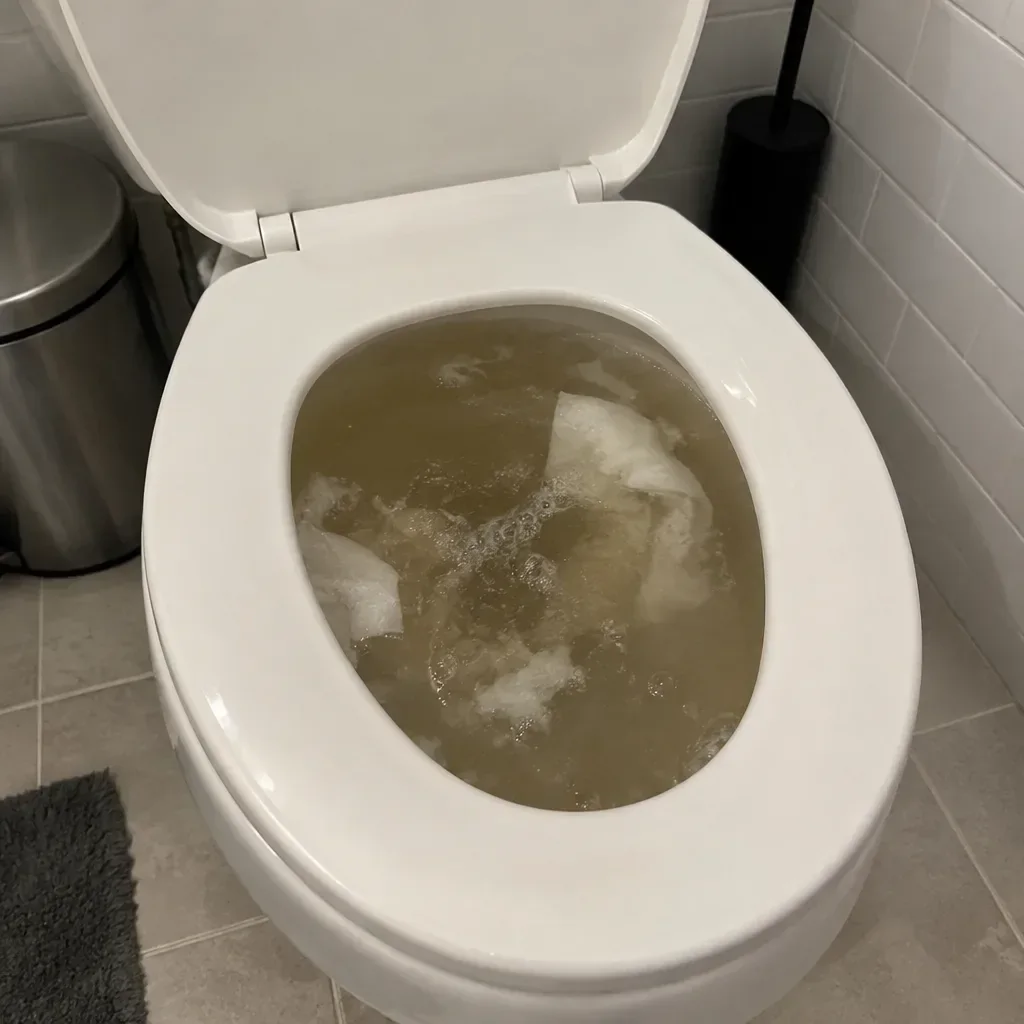
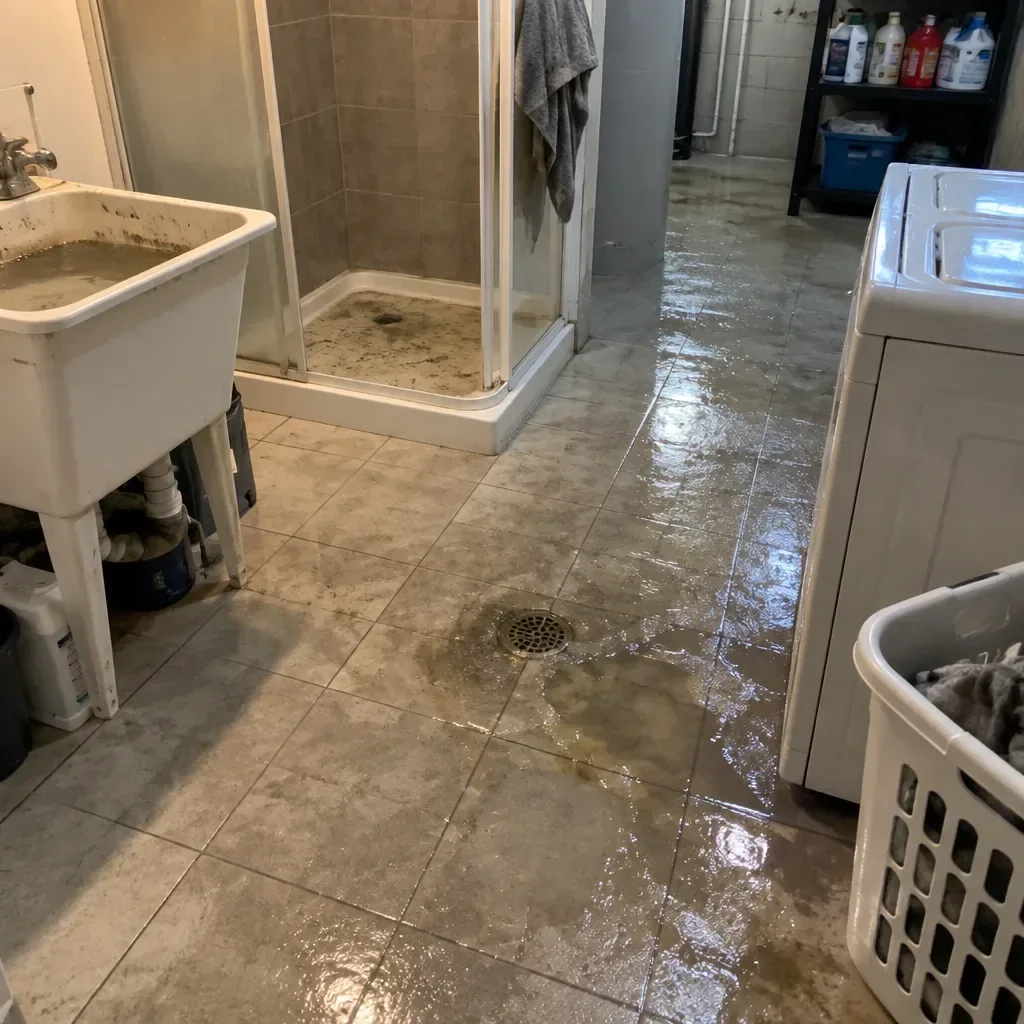
Cleanup Problems
What Happens After a Sewer Backup in Longmont, CO
In Longmont, note where sewage is visible, whether odor remains after water is removed, and which surfaces still feel damp; keep people and pets out during assessment. Separate belongings that contacted sewage from items that stayed dry before cleanup begins. The assessment helps determine how far contamination reached so work addresses affected rooms, not only the obvious spill. Around Coal Creek, Sandstone Ranch, or Left Hand Creek, indoor clues guide next steps; a plumber separately diagnoses and repairs the sewer line.
DAMAGE RECORDS
A property assessment shows where sewage reached and which surfaces, materials, and drying needs require attention in Longmont and the surrounding Boulder communities. The location pages discuss contamination, material removal, cleaning, disinfection, and drying. Cost guidance appears on the pricing guide.
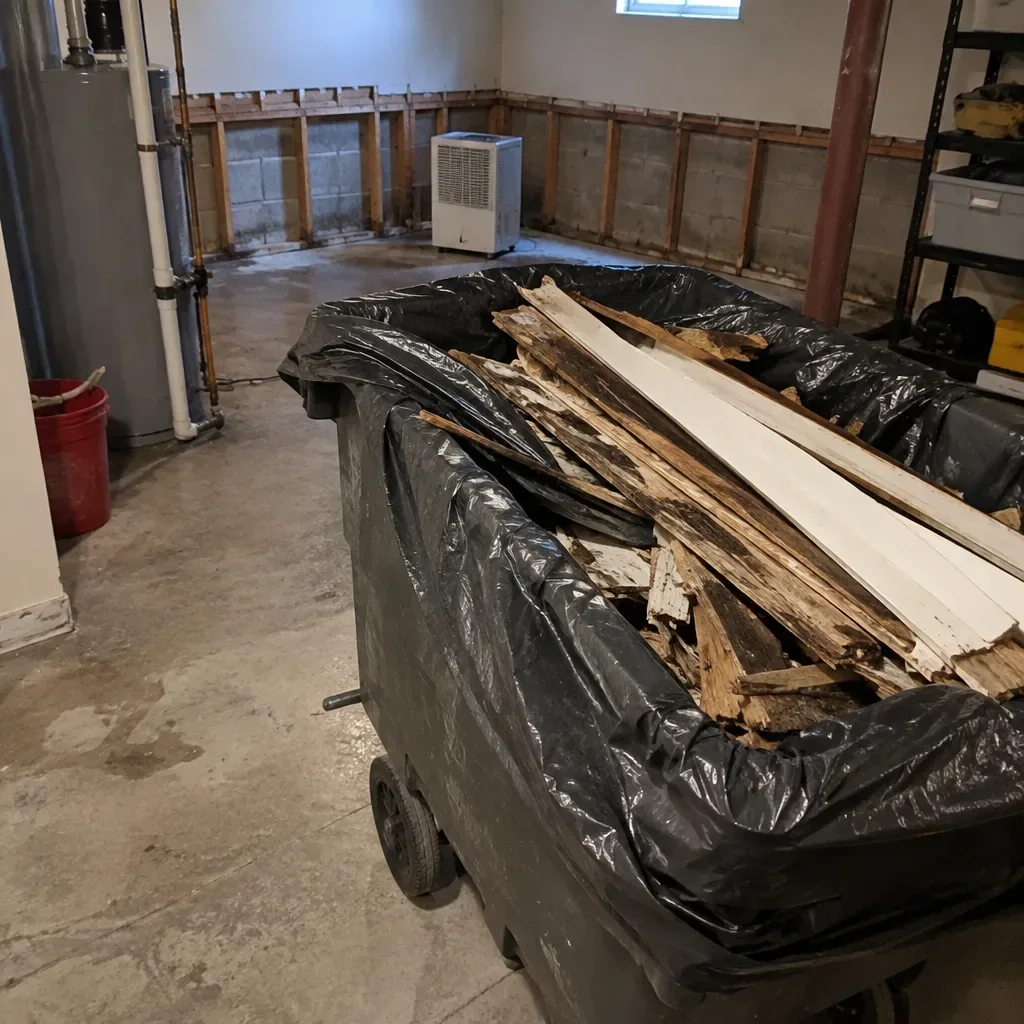
At a Longmont property, the cleanup plan follows where wastewater traveled: flooring, wall edges, and belongings can need different handling, and porous items may need removal if contamination reaches them. For an owner near Left Hand Creek or the St. Drying addresses moisture in affected areas after cleaning and disinfection, helping complete the cleanup inside the structure. A plumber handles that diagnosis and any line repair. Cleanup addresses sewage inside the structure through cleaning, disinfection, odor treatment, and drying. Photos and notes can document damage; policy coverage needs a separate check.
Backup Situations
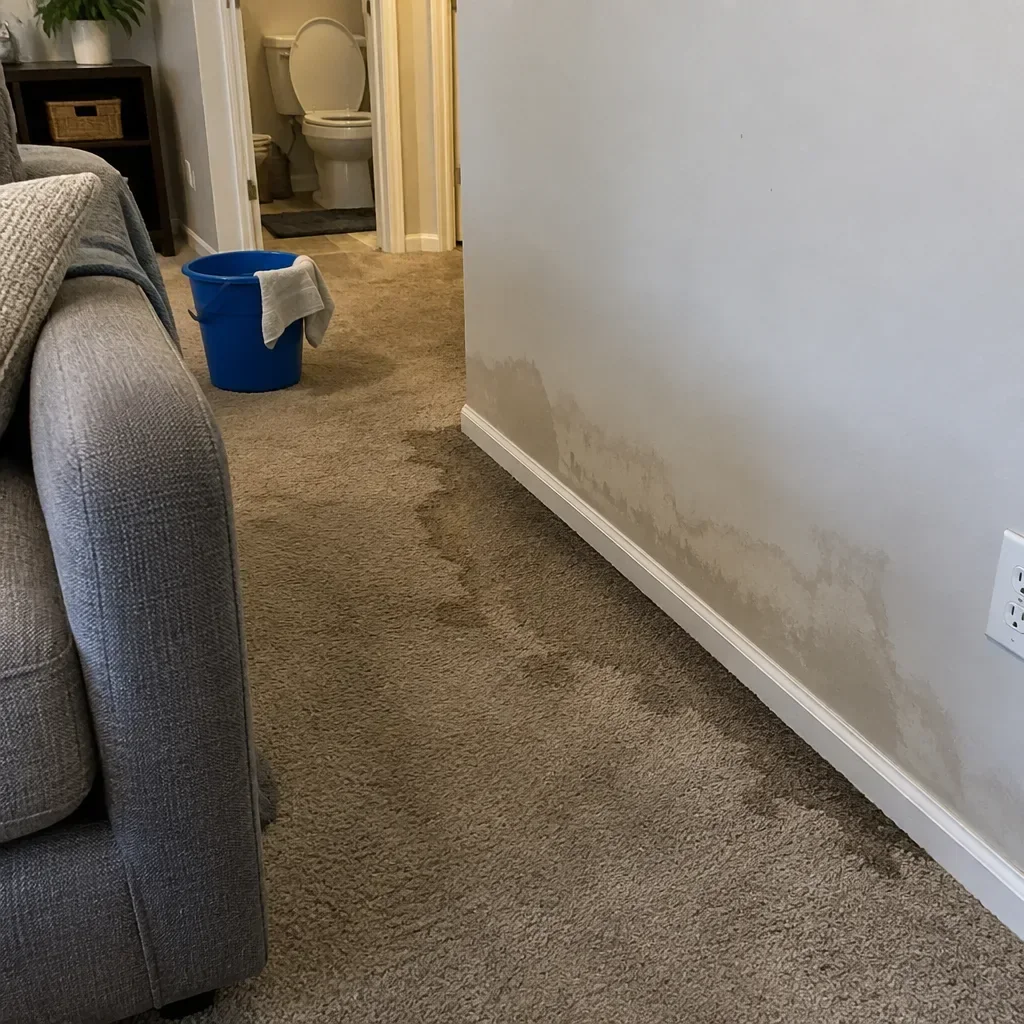
Contamination Spread
Common Questions
Questions and Answers
Sewage showed up inside my Longmont home—what should I read first?
Open the sewer-backup information when wastewater is plainly present, then use the damage and warning-sign topics to find what fits the home. If the liquid’s source is uncertain, establish whether it involves a sanitary sewer before choosing that route. A Longmont home near Sandstone Ranch cannot be identified as sewer-connected, or its backup cause determined, by its location or ZIP code.
What signs mean sewer backup cleanup information may apply to my home?
In Longmont, cleanup information may apply when sewage returns through a drain or toilet, leaves wet or discolored marks on floors or lower walls, or spreads beyond the fixture where it appeared. Porous items touched by sewage may need separate attention during cleanup. If a blockage or line problem is suspected, Longmont documents investigations to help locate the source. Cleanup addresses contamination inside; a plumber diagnoses or repairs the line.
Who can identify and repair what caused a sewer backup?
Contact a plumber when the unresolved issue is a blockage, a damaged sewer line, or a repair to the source. Cleanup addresses contamination inside the structure; line diagnosis and repair are plumbing work. Describe where the water appeared, even if the line source is still unknown. A home’s location near Left Hand Creek does not establish who is responsible, so verify the property’s provider and the source.
Discuss Cleanup Help
Trace Sewage Spread Through the Building
In Longmont, a sewage odor or visible residue is a reason to have the affected rooms assessed, since what shows on the surface may not mark the full reach. Near Dickens Farm Nature Area, for example, an owner can report the entry point and list materials that became wet without guessing at the cause. Ask how the assessment checks absorbent materials and what odor treatment, if any, fits the findings. The city’s investigation can help locate a reported sewer problem; cleanup does not identify or repair its source.
Call (303) 879-2581