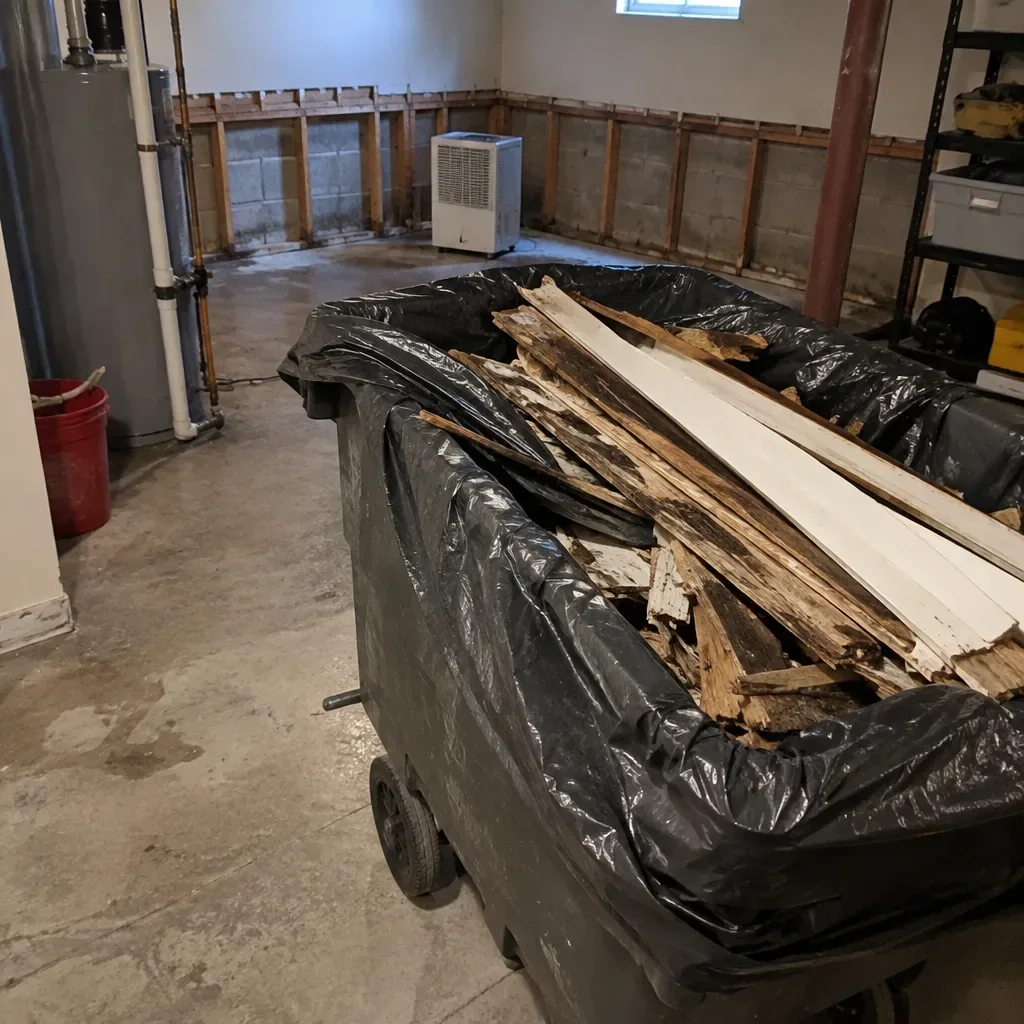
What a Sewer Backup Can Damage
Longmont’s sewer guidance describes investigating reported backups to distinguish service-line issues from main-line problems. That matters to cleanup because a confirmed sewage event changes how hidden floor layers are handled. A property near County Road 34 still needs an address-specific investigation; location alone does not identify the source.
The 2013 flood damaged Longmont infrastructure and the Vrain Greenway, making local flood history part of the setting for wastewater concerns. It does not establish why a later backup occurred. Near Left Hand Creek, owners should report the actual incident and have the affected floor assessed on its own evidence.
In Longmont, inquiries about sewage cleanup can start with a residence anywhere in Boulder. The pros we connect you with can check the property address against their service area; a city or county label alone does not establish availability.
Addressing Lingering Sewage Smells
- ENTRY
- Liquid may pass through floor joints, edge gaps, or openings around fixed fixtures and reach concealed layers.
- FLOOR TYPE
- Finish flooring and the layer beneath it can respond differently to sewage; assessment determines what can be cleaned.
- BARRIER
- Material that has absorbed sewage may be unsuitable to keep when thorough cleaning is not possible.
- MOISTURE
- A visible mark can identify one point of contact while hidden contamination extends farther under the floor.
- SOURCE CHECK
- Cleanup addresses indoor contamination; the backup source and responsibility require property-specific investigation.
- NEXT CONTACT
- Longmont’s changing seasons can bring differences in indoor heat and humidity, which affect how quickly floor layers dry. A surface that seems dry in winter or summer does not establish the condition underneath; assessment should guide drying after sewage cleanup.
- SOURCE DIAGNOSIS
- an estimated $3,500–$6,500
Stormwater and Sewage Follow Different Paths
Water damage beneath flooring can also leave warped boards, stains, or dampness. Those signs overlap with sewage-related damage, but water’s appearance cannot establish whether sewage was present; the known backup and an assessment of the affected layers guide cleanup. A sewage backup beneath flooring is identified by the known event and the material it may have reached. Ordinary moisture damage can look similar, but it does not establish sewage contact. Longmont documents investigations that distinguish service-line from main-line problems; the address and incident need checking.
Mapping the Work Area Before Cleanup
The pros we connect you with first establish the likely affected footprint, including seams, transitions, and openings around fixed features. They isolate the work area to limit transfer into clean rooms. Flooring and underlying materials are assessed layer by layer; material that cannot be adequately cleaned is removed for proper disposal.
Once affected layers are exposed and contaminated debris is removed, suitable remaining surfaces are cleaned and disinfected using products according to label directions. The structure is then dried, with attention to moisture beneath the floor. In Longmont, cleanup work handles indoor contamination; a plumber or the relevant provider investigates the sewer source.
A single cleanup visit may be enough after the flow of sewage has stopped and the affected area can be cleaned and dried. If the backup is still occurring, a plumber may need to locate a blockage or repair the sewer line; that source work is separate from cleaning inside the home.
CLEANING AFFECTED ROOMS NOW, THEN ASSESSING MATERIALS FOR REPLACEMENT
| Drying Needs |
Confirm the Service Type |
|---|
| Overflow stayed within one small area | Plumber source referral |
| Wastewater traces surfacing again in cleared areas | Affected-material assessment |
| Absorbent finishes can hold contamination below sight | Sewage residues extracted; treat surfaces, dry building |
Check the Property’s Wastewater Connection
Keep children and pets out, and do not step onto, lift, or cut affected flooring. From a clean location, note where sewage appeared and take photos without entering the area. Do not use a household vacuum or fan on contaminated material. Arrange a professional assessment.
Keep Family Traffic Out Of The Work Zone
Sewage can carry harmful germs, and flooring can hide contaminated liquid or debris from view. Germs may enter the body through cuts or contact with the eyes or mouth. Avoid touching wet materials or tracking residue elsewhere. Cleanup should include appropriate protective equipment, thorough cleaning and disinfection, with products used according to their labels.
What Does Sewage Extraction Add to the Scope?
Describe where sewage traveled and ask for a cost outline; extraction, debris handling, and the extent of cleaning shape the work.The guide range reflects cleanup work in affected rooms, including material removal, surface treatment and drying where the assessment calls for them; it excludes plumbing diagnosis or repair. For a Longmont property, give the address and a useful location reference, such as Coal Creek or Northern Water. The pros we connect you with confirm any visit charge and written scope directly.Review the pricing guide for cleanup cost bands and the site conditions that influence scope.