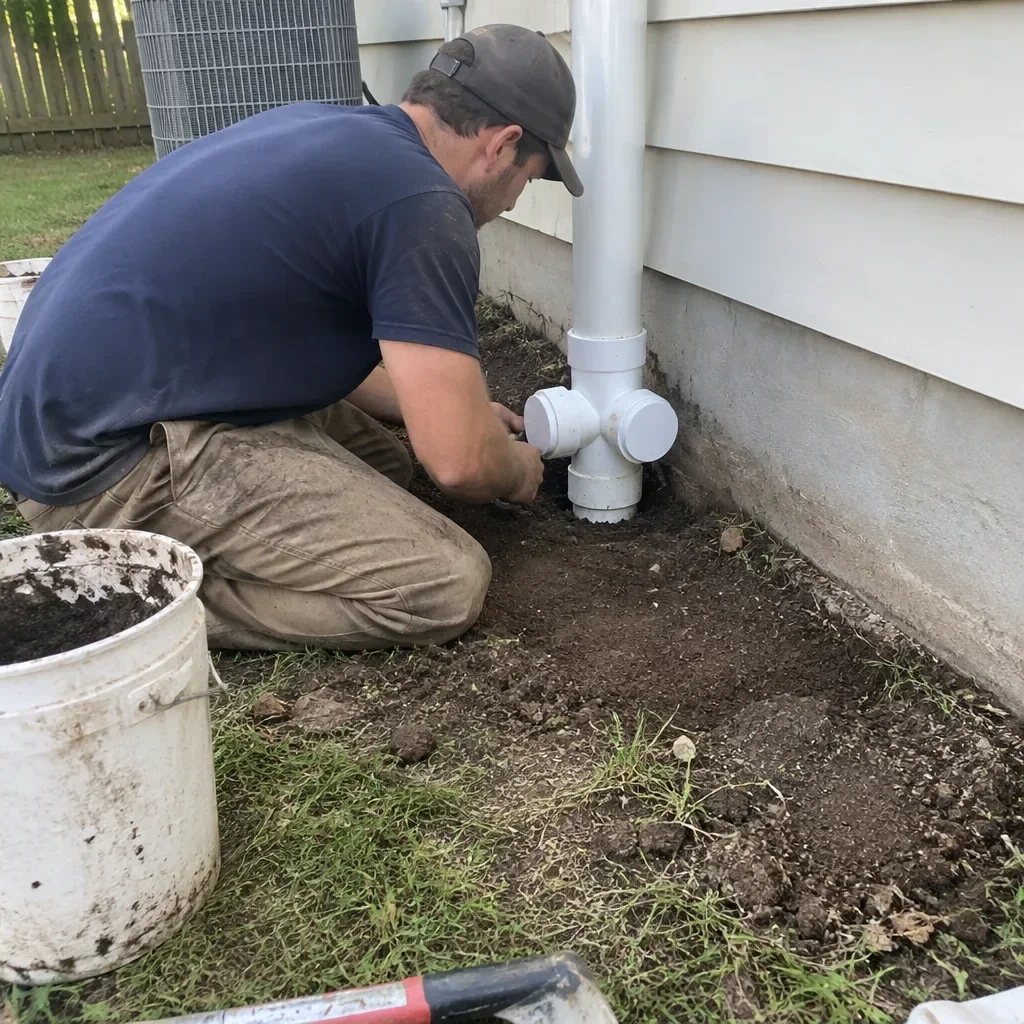
Returning Home
When can a Longmont homeowner return after sewage cleanup? See how completed work, moisture findings, and clear provider notes help guide reentry.
Read article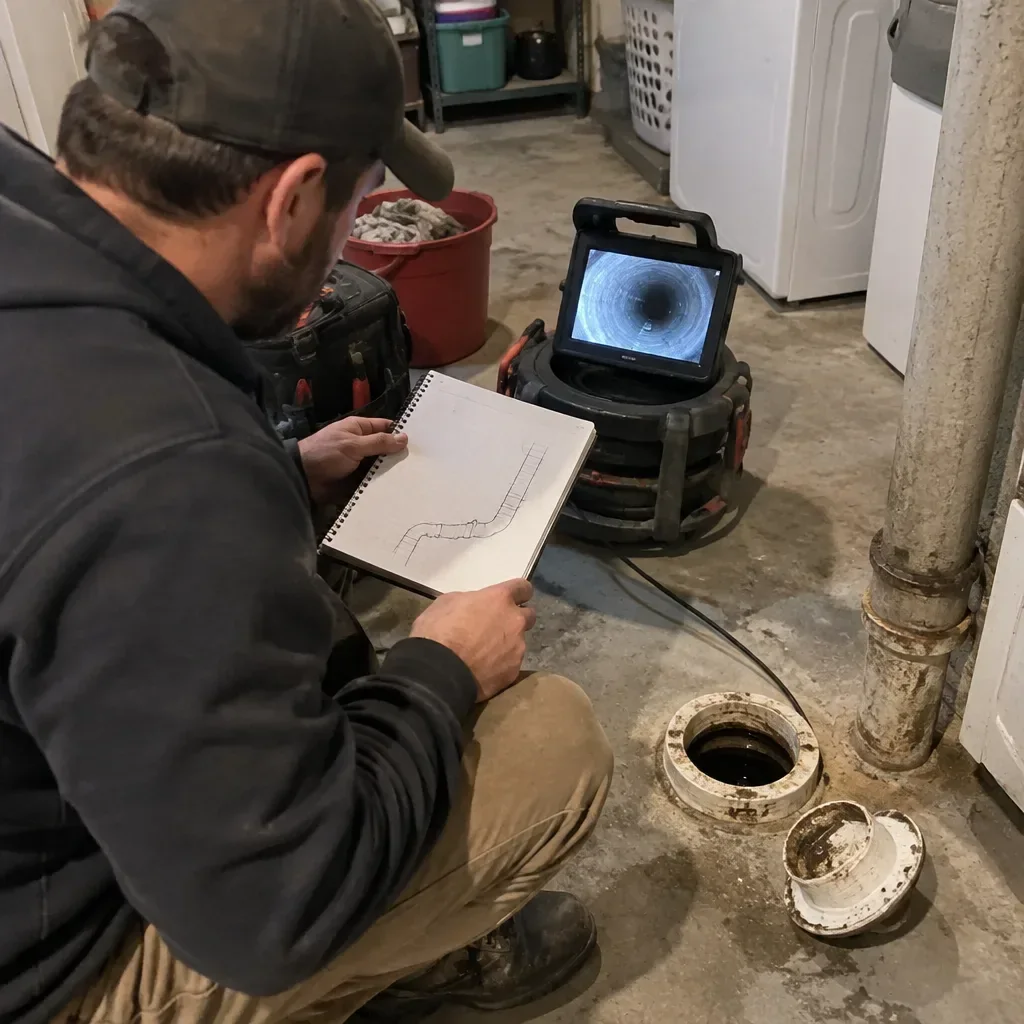
Start by confirming what entered the building and which wastewater system serves the address; a ZIP code cannot answer either question. Record visible sewage and note which rooms or fixtures show signs of backup before cleanup begins. The owner can ask what has been established before cleanup is scoped. Until affected rooms are assessed, keep household members and pets out, and leave wet contents alone. From Coal Creek to the St. Vrain Greenway, the first decisions follow the same order: identify the source, reduce exposure, then define the cleanup.
In Longmont, note where wastewater appeared and keep people and pets out while the affected rooms are assessed; residue may remain even when water looks ordinary. From Dickens Farm Nature Area and Sandstone Ranch to the St. Vrain Greenway, a familiar landmark cannot identify a property’s sewer connection or explain a backup. Cleanup planning sorts items and building materials for cleaning, drying, or disposal, then sets the order for extraction, surface disinfection, odor treatment if needed, and structural drying. A room-by-room record can clarify which contents and surfaces need attention before cleanup begins.
Ask how removed sewage and contaminated materials will be contained and disposed of. In Longmont, photos and notes about affected items and cleanup steps can help the owner keep a clear record for an insurance claim; the policy determines coverage. Keep unaffected belongings away from the cleanup area if it is safe to do so. Near Sandstone Ranch or Rock Creek, as elsewhere, cleanup addresses damage inside the structure. Ask who is locating the sewer problem and whether a plumber needs to assess or repair the line.
When can a Longmont homeowner return after sewage cleanup? See how completed work, moisture findings, and clear provider notes help guide reentry.
Read article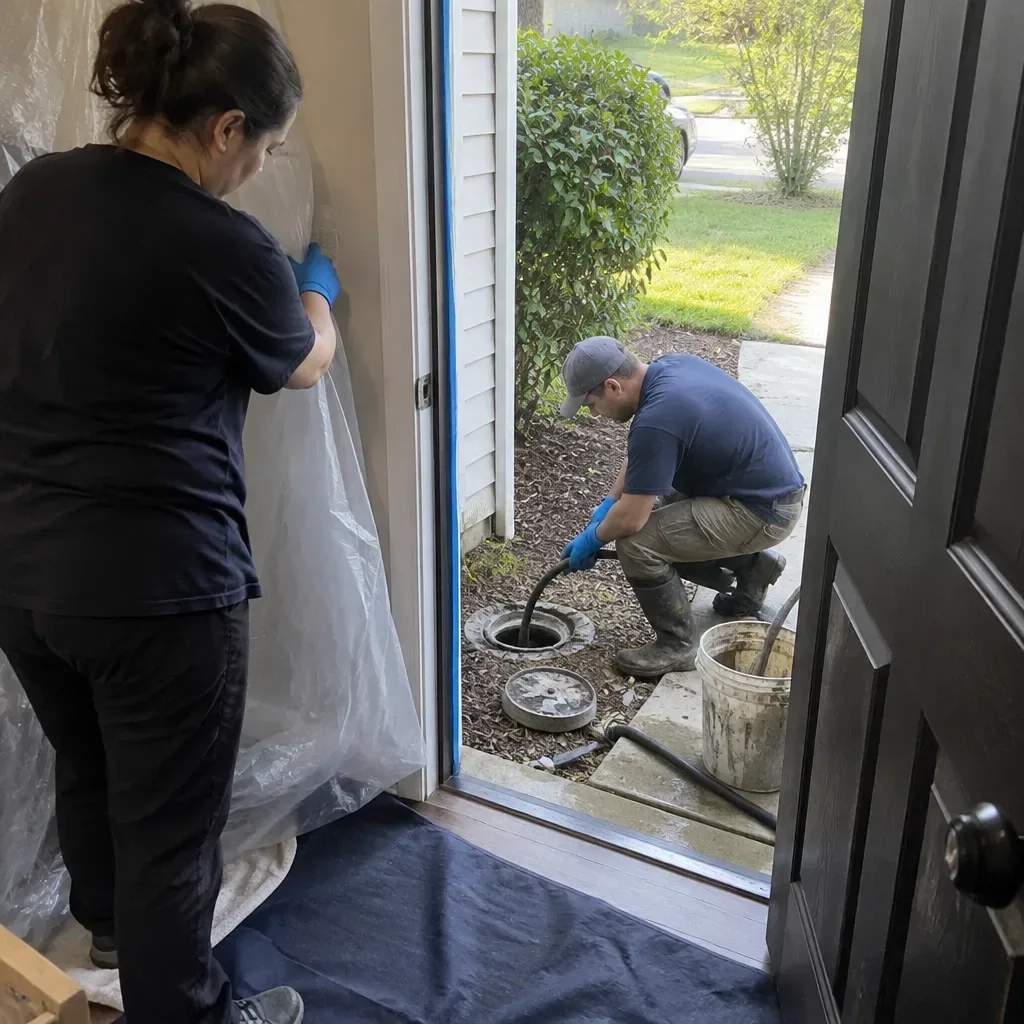
Can a household stay in part of its Longmont home during sewage cleanup? Learn how room access, household needs, and changing conditions affect the decision.
Read article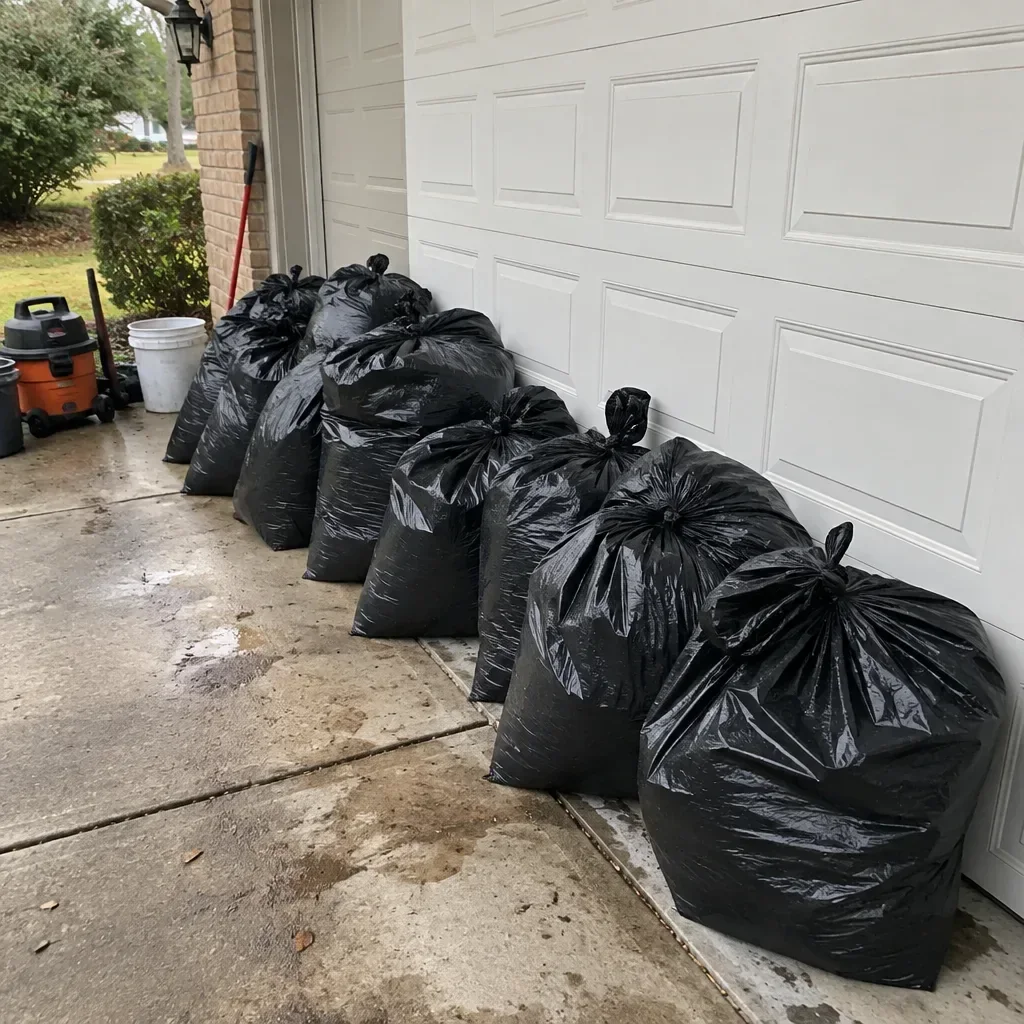
A Longmont sewage backup needs a prompt call, but arrival estimates depend on current availability and site details. Learn what to report and ask while rain may coincide with backups.
Read article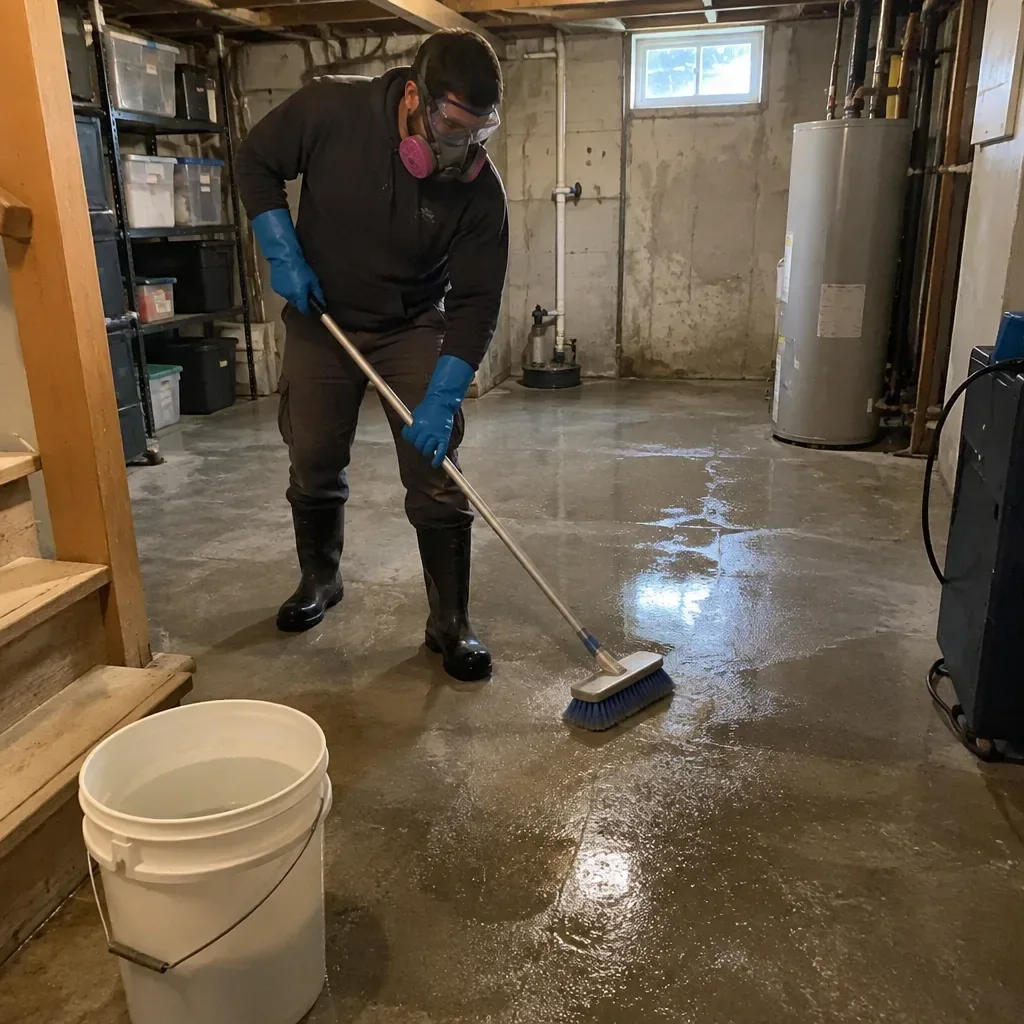
Sewage backup cleanup can involve decisions about damaged materials, treatment, and drying. Follow the stages from assessment and sewage removal through disinfection and structural drying, and see what rain-related conditions may change the schedule.
Read articleThe guides do not identify an individual writer or reviewer, so there is no named person to credit. They explain general cleanup considerations, such as checking which materials were affected and deciding what needs cleaning, disinfection, or drying. In Longmont, the city’s sewer-lines information also describes investigating reported backups to help locate a problem. The guides focus on cleanup decisions, while the city information covers how reported backups are investigated.
There is no review date provided for these guides, so the page cannot establish when its advice was last checked. Treat the cleanup information as general background, not a confirmation of current requirements for a particular property. Longmont’s sewer-lines page offers local information about investigating reported backups. For requirements that apply to a specific situation, check with the relevant local authority and confirm the sewage source before deciding what steps are appropriate.
These guides draw on established cleanup practice and public health advice about protective equipment, cleaning, and disinfection. Longmont’s published sewer information adds local context on how reported problems are investigated; it cannot identify the cause at a particular address. A place name such as Left Hand Creek, County Road 34, or Centennial Park does not establish whether a home uses public sewer, district service, or onsite wastewater. Check the property’s provider and backup source for case-specific direction.
A useful Longmont cleanup record begins with the first place sewage appeared, then follows its path across rooms, floor edges, and stored belongings. If a home is near Ames Park, the owner can note what was visibly wet without moving contaminated items. Ask the pros we connect you with how they limit spread during extraction and which observations should be photographed. Their assessment can distinguish materials for removal from surfaces suited to treatment; drying follows after extraction and cleaning have addressed the contamination.
Call (303) 879-2581