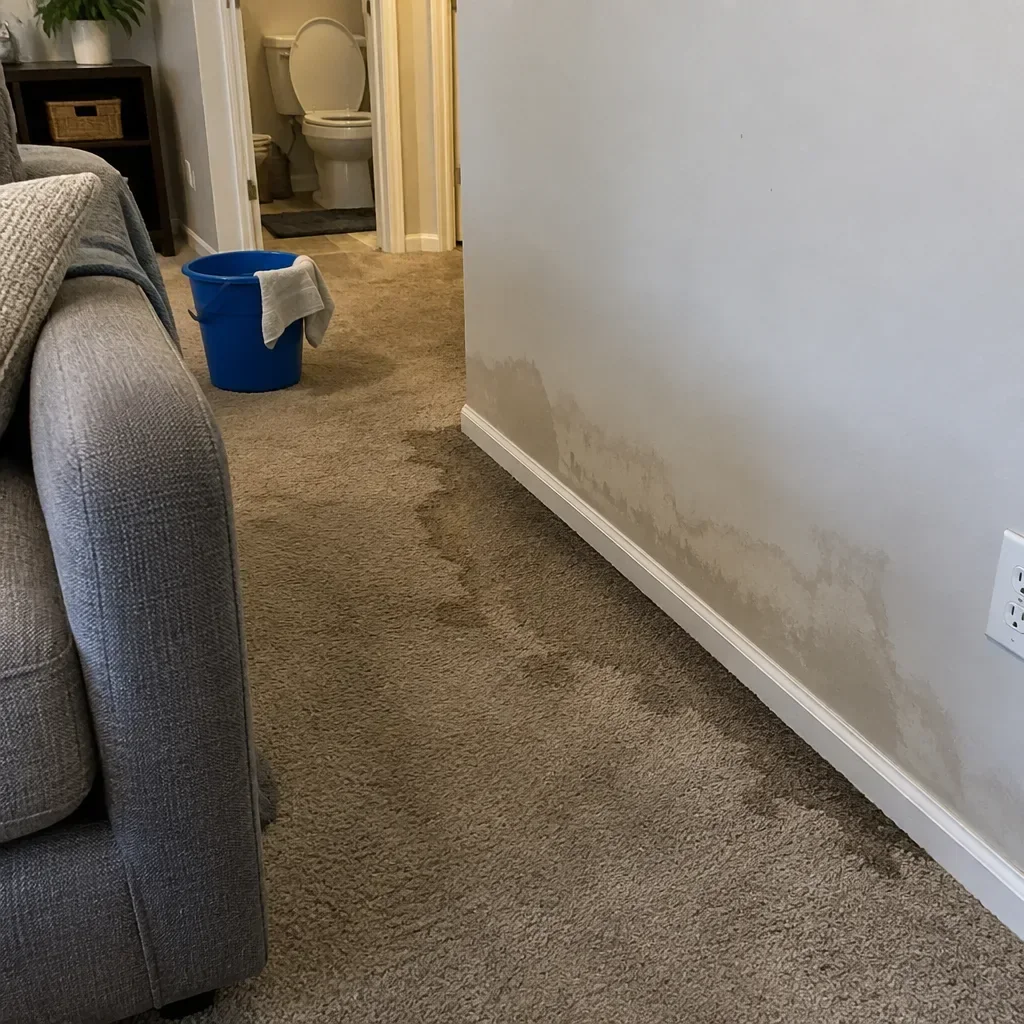
What a Sewer Backup Can Damage
Longmont documents investigation of reported sewer backups to locate the problem and distinguish service-line from main-line issues. That local process concerns the source; the room sketch and material assessment address what sewage affected indoors.
A property near Sandstone Ranch or Left Hand Creek still needs its wastewater connection and provider checked by address; a place name or ZIP cannot establish either. The St. Vrain Greenway is another Longmont reference point, not evidence of a property's sewer setup.
A homeowner in Longmont may contact the pros we connect you with about sewage inside a sewer-connected property in Boulder. They can check the address and service boundary before discussing cleanup; ZIP or county information by itself cannot confirm a match.
Managing Moisture in the Structure
- Room layout
- A room sketch showing doorways helps the assessment account for connected spaces and access between them.
- Exposure
- Work boundaries separate affected rooms from cleaner areas while sewage and debris are handled.
- Work sequence
- Porous belongings and building materials may require removal if sewage contact cannot be adequately cleaned.
- Moisture
- Suitable affected surfaces are cleaned and disinfected before damp structural materials are dried.
- Source check
- Indoor cleanup addresses contamination; a plumber investigates and repairs the pipe or blockage behind a backup.
- NEXT CONTACT
- Longmont's rain and snow can change indoor drying conditions from season to season, but they do not establish what caused a specific backup. Cleanup planning follows the affected rooms, materials, and moisture found at the property.
- SALVAGE DECISIONS
- an estimated $3,500–$6,500
What Water Marks Can Reveal
Sewer line repair. It works on the route carrying wastewater; this page concerns indoor rooms affected after a backup. A shared incident can bring both trades into the same discussion, though their work areas and records differ. Compare the written scope and closing records. A room cleanup assessment should identify spaces checked, material decisions, surfaces treated, and drying needs; plumbing paperwork should describe work on the sewer line. Near the St. Vrain Greenway, a homeowner can ask which document covers each task.
Mapping the Work Area Before Cleanup
The pros we connect you with review the room sketch, inspect connected spaces, and identify surfaces and materials for cleaning, removal, or drying. They establish work boundaries, then extract sewage in a sequence that accounts for access between rooms and helps keep cleaner areas apart.
First, the pros we connect you with review a room sketch and check each connected space, its contents, and the materials at thresholds. They can note visible residue and odors that may show where sewage reached beyond the first affected room.
One visit can cover extraction, cleaning, and disinfection when the affected space is accessible and drying is complete. If moisture remains within building materials, more drying and reassessment may be needed before cleanup is finished. Lingering odor can also call for treatment after contaminated material and residue are dealt with.
CLEANING AFFECTED ROOMS NOW, THEN ASSESSING MATERIALS FOR REPLACEMENT
| Drying Needs |
Confirm the Service Type |
|---|
| Overflow stayed within one small area | Plumber source referral |
| Wastewater traces surfacing again in cleared areas | Affected-material assessment |
| Absorbent finishes can hold contamination below sight | Sewage residues extracted; treat surfaces, dry building |
Leave Contaminated Material Decisions to Pros
Keep household members and pets out of rooms that may be affected. From a safe, dry location, sketch the rooms and doorways, and note visible marks without touching them. Do not handle sewage or move suspect belongings; leave assessment, removal, and disinfection to the pros we connect you with.
Germs And The Risk Of Contact
Sewage may carry harmful germs, so contact with contaminated water or materials can expose household members and pets. Keep them away from affected rooms while the area is assessed and cleaned. If someone feels unwell after contact, they can tell a healthcare professional about the possible sewage exposure.
What Does Sewage Extraction Add to the Scope?
Describe where sewage traveled and ask for a cost outline; extraction, debris handling, and the extent of cleaning shape the work.The guide range reflects cleanup work in affected rooms, including material removal, surface treatment and drying where the assessment calls for them; it excludes plumbing diagnosis or repair. For a Longmont property, give the address and a useful location reference, such as Coal Creek or Northern Water. The pros we connect you with confirm any visit charge and written scope directly.The pricing guide lays out possible cleanup costs and explains which job details can shift them.