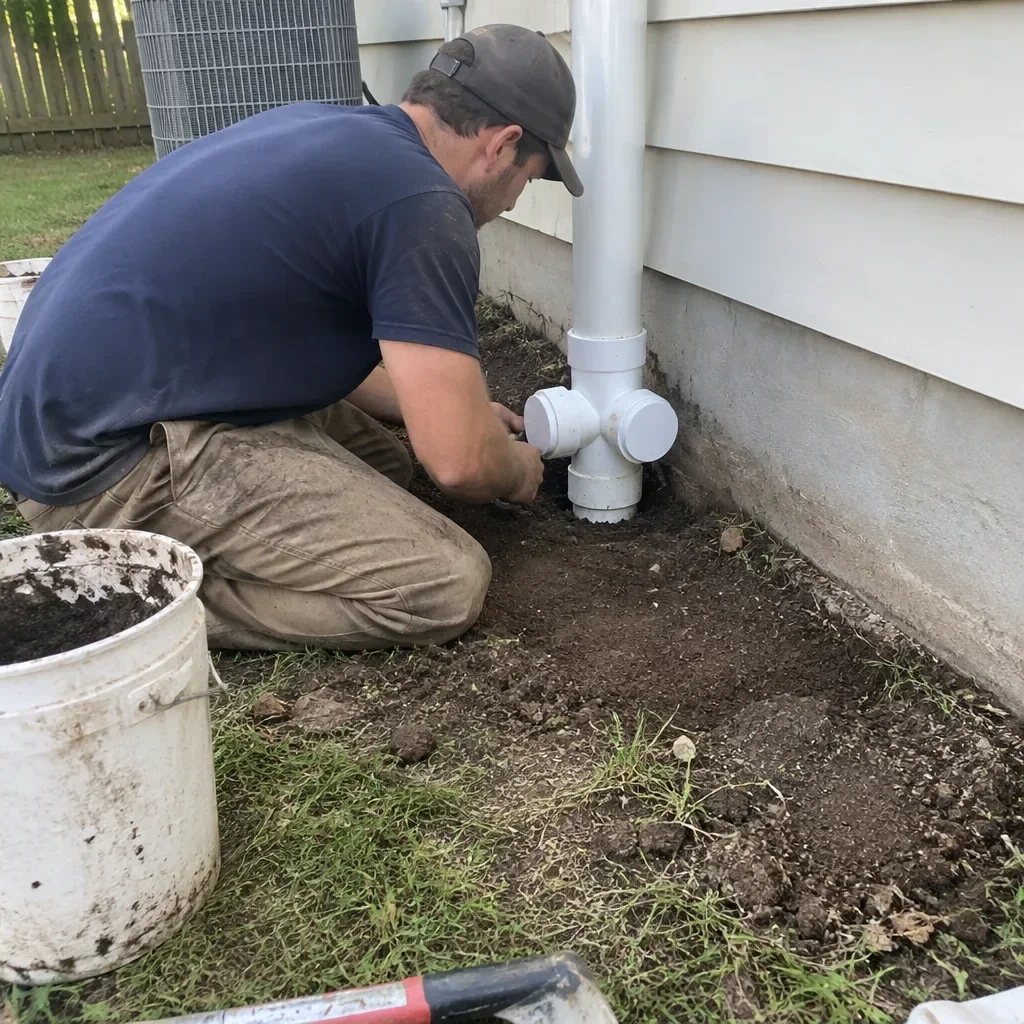
Returning Home
When can a Longmont homeowner return after sewage cleanup? See how completed work, moisture findings, and clear provider notes help guide reentry.
Read article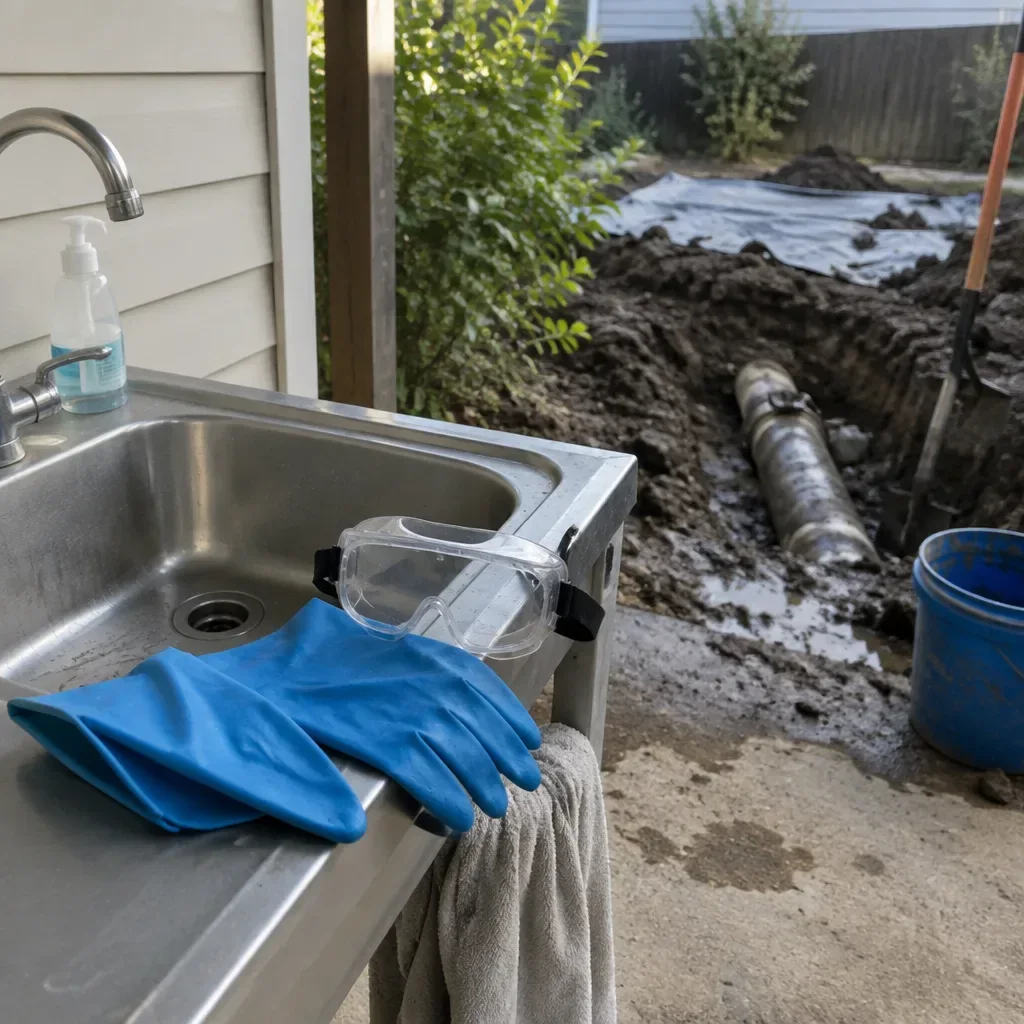
A clear path from basement assessment to final moisture checks in Longmont.
A sewer backup in a Longmont basement can leave more than a puddle: residue may settle along the floor edge, soak stored belongings, or reach finished walls. The first useful check is where the water stopped and which materials it touched. A basement near the Vrain Greenway may have a different layout and route in than one near Sandstone Ranch, so the visible floor is only a starting point. Keep people and pets clear, then contact a cleanup professional to assess the affected space.
In a Longmont basement, the work moves from defining the affected area to checking it for remaining moisture. The pros we connect you with isolate the work zone, assess which parts need removal or surface treatment, then extract contaminated water. After cleanup, drying checks guide whether equipment can come out or needs to keep running. The extent of contamination and the materials involved shape the schedule. Longmont’s sewer guidance also describes how reported concerns are investigated; that source inquiry is separate from restoring the basement.
Indoor contamination cleanup addresses the affected space, while identifying a service-line or main-line problem remains a separate concern.
For a home's cleanup questions, begin with Sewer Backup Cleanup; property managers and business operators can review guidance for their buildings at commercial sewer backup cleanup.
A tide mark on concrete or masonry can show how high contaminated water reached, but the line may fade where the floor meets a finished wall. In a Longmont basement, grit or residue lodged along a floor joint can point to spots that need closer inspection before cleaning begins. The pros we connect you with check beyond the open floor, including edges behind movable items, so the cleanup scope reflects the path of the water rather than just the easiest area to see.
Soft carpet, swollen trim, or a wallboard edge that crumbles under light pressure can indicate sewage reached absorbent finishes. Those materials may hold contamination even after the room looks dry, which can make removal part of the cleanup. In Longmont, a basement with built-in cabinets or finished partitions may require careful inspection at the lower edges before the owner can tell what can stay. Keep belongings out of the affected area until a cleanup professional has assessed them.
Sewage residue can collect around stored boxes, laundry baskets, and other items left directly on the basement floor. Cardboard and fabric can take up contaminated water, while hard items may need a separate cleaning decision. A Longmont homeowner should avoid sorting or carrying these belongings through clean rooms; moving them can spread residue along the route. The assessment records which contents and building materials were affected so removal and cleaning can be planned without carrying contamination upstairs.
The assessment traces the water boundary and checks finishes, contents, and moisture so the cleanup plan reflects what sewage reached and what needs drying.
The work area is separated from clean rooms, then contaminated water is extracted; this limits transfer as equipment and removed contents pass through the basement entry.
Porous items that absorbed sewage are removed when they cannot be cleaned; this clears the way to treat the remaining affected surfaces.
Odor treatment follows source removal and surface care as needed; drying checks track moisture in affected building materials until progress is confirmed.
Finished basement layers can conceal sewage residue at wall bottoms, beneath flooring, or around built-in storage. If damp material stays in place, odors and moisture can remain after the visible water is gone. Longmont homes differ in layout and finish, so the assessment needs to follow the contamination through the actual room. Removing unsuitable porous materials, disinfecting cleanable surfaces, and checking drying progress helps address what remains below the surface.
Sewage can leave residue on flooring, wall surfaces, and stored belongings even after standing water is gone. That information can help the owner identify whom to contact about the source, but cleanup still focuses on sewage and damaged materials inside the basement. The connection and responsible party depend on the property, so a ZIP code alone cannot settle them. Cleanup professionals can document the affected area while a plumber or the appropriate provider investigates the source.
In Longmont, keep people and pets out first, then have the basement assessed so cleanup can follow the extent of contamination. A home near Festival Plaza, Centennial Park, or Sandstone Ranch still needs its sewer connection and backup source checked at the property; its location alone cannot establish either. Cleanup proceeds by containing the affected area, extracting sewage, removing absorbent materials that cannot be adequately cleaned, and cleaning and disinfecting surfaces. Odor treatment follows sewage removal and surface cleaning. Drying checks then track moisture in affected building materials. Affected contents may need separate review before they are cleaned or discarded.
Near the Vrain Greenway, Basement Sewage Cleanup ranges for Longmont are estimates for budgeting; ask the pros we connect you with to confirm any visit charge and written scope.
| Impacted Spaces | Restoration Actions | Estimate Variables |
|---|---|---|
| Surface Spot | Near Sandstone Ranch: map affected space and outline cleanup tasks | an estimated $7,000–$14,000 |
| Bounded Room | Cleanup tasks recorded in the assessment, from contaminated-material removal through drying | an estimated $8,050–$18,200 |
| Connected Rooms | Newly identified materials enter the scope when the record lists them | an estimated $7,000–$14,000 |
| Full Interior | Assess one affected area and describe the cleanup indicated by its condition | an estimated $16,800–$56,000 |
The assessment helps sort surfaces that need disinfection from materials that cannot be kept, then identifies drying needs. If odor treatment or longer-wearing replacement materials are added, the scope can grow. The pricing guide lays out factors behind cleanup costs. Sewer-line troubleshooting and repair fall to a plumber.
Have a cleanup professional assess the basement and separate the affected work area from clean rooms. They extract sewage, determine which contents or building materials need removal, and treat the surfaces that remain. Cleaning and disinfection come before structural drying; odor treatment can follow removal and surface cleaning. The owner should stay out of the work zone while it is being assessed and cleaned. In Longmont, questions about the source can be raised separately through the city’s sewer guidance.
Material condition and exposure guide the decision. Porous finishes or belongings that absorbed sewage may need to be discarded because surface cleaning may not reach contamination within them. The extent of contact matters too, since sewage can reach seams, padding, or hidden layers that are harder to clean. In a Longmont basement, the pros we connect you with can assess each affected item and explain what should be removed before the rest of the room is cleaned.
Keep people and pets out of the basement and avoid touching contaminated water or belongings. Standing water can conceal sharp debris or damaged flooring, so avoid stepping into it. The owner can note which rooms and contents were affected from a safe location, then share that information with a cleanup professional. Do not carry wet items through the home, since that can transfer residue to clean areas.
Cost depends on the area affected, the amount of water, which materials must be removed, and how difficult the basement is to access. Cleaning, disinfection, odor treatment, and drying needs also shape the scope. A Longmont estimate should follow an inspection of the property rather than assume the same work for every basement. The owner can ask for affected materials and planned cleanup steps to be itemized; coverage depends on the policy.
Drying is checked by looking for moisture that remains in affected building materials, not just by whether the floor feels dry. If materials still hold moisture, drying continues and the area needs another check before equipment is removed. The amount of contamination and which parts of the basement were affected shape this stage. For a Longmont property, the pros we connect you with can explain what their drying checks show as the work progresses.
Cleanup restores the basement interior; it does not determine or correct why sewage came back. A plumber can investigate the source and handle any needed sewer-line work. Describe the symptoms as well as the suspected source when explaining the sewer concern. The owner should verify the property-specific findings rather than infer responsibility from its ZIP code or assume the same arrangement applies near Left Hand Creek.
$7,000–$14,000 gives the cleanup work estimate; no researched range is available. How much area needs attention, what materials are contaminated, and how much drying is needed all affect the final cost, confirmed by the pros we connect you with after assessment.
A backup leaves more to address than standing water: affected surfaces and hidden dampness matter.
When can a Longmont homeowner return after sewage cleanup? See how completed work, moisture findings, and clear provider notes help guide reentry.
Read article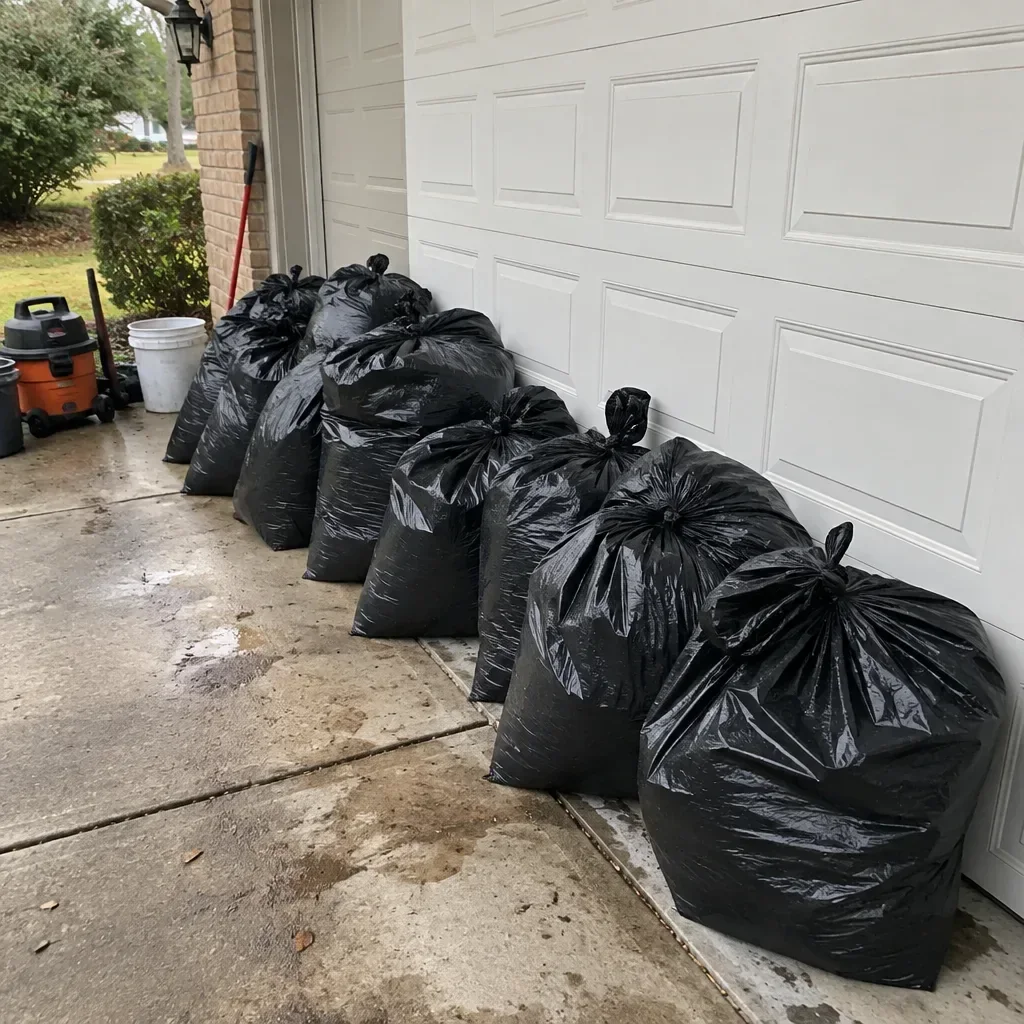
A Longmont sewage backup needs a prompt call, but arrival estimates depend on current availability and site details. Learn what to report and ask while rain may coincide with backups.
Read article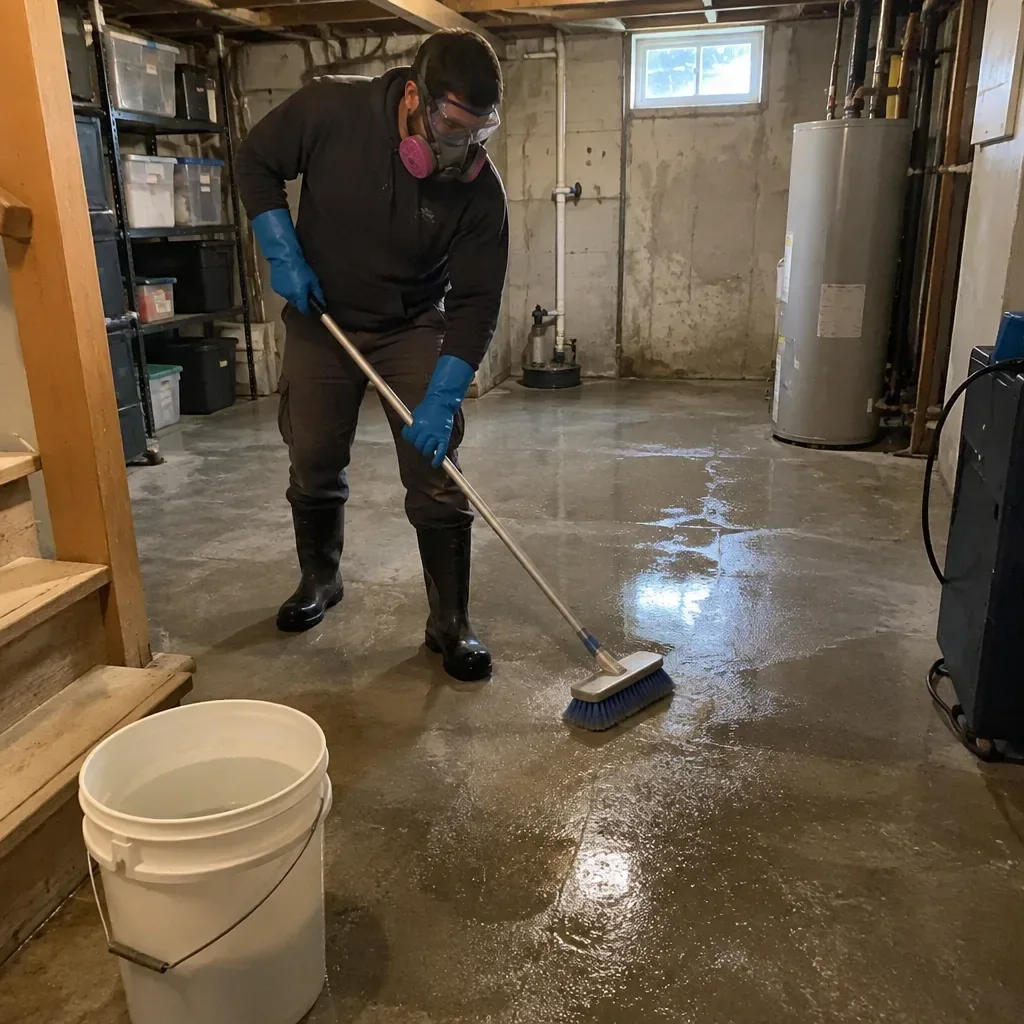
Sewage backup cleanup can involve decisions about damaged materials, treatment, and drying. Follow the stages from assessment and sewage removal through disinfection and structural drying, and see what rain-related conditions may change the schedule.
Read articleFor a Longmont address near County Road 34, first check whether the property is served by a sewer system and which provider handles it; location alone cannot settle that. Then ask the pros we connect you with whether they serve the address and can assess sewage affected materials. Discuss how extraction and containment fit the job, what disinfection covers, how drying is evaluated, and whether the visit or any task has a separate charge. Request the proposed work in writing, and contact a plumber about locating or repairing the backup source.
Call (303) 879-2581