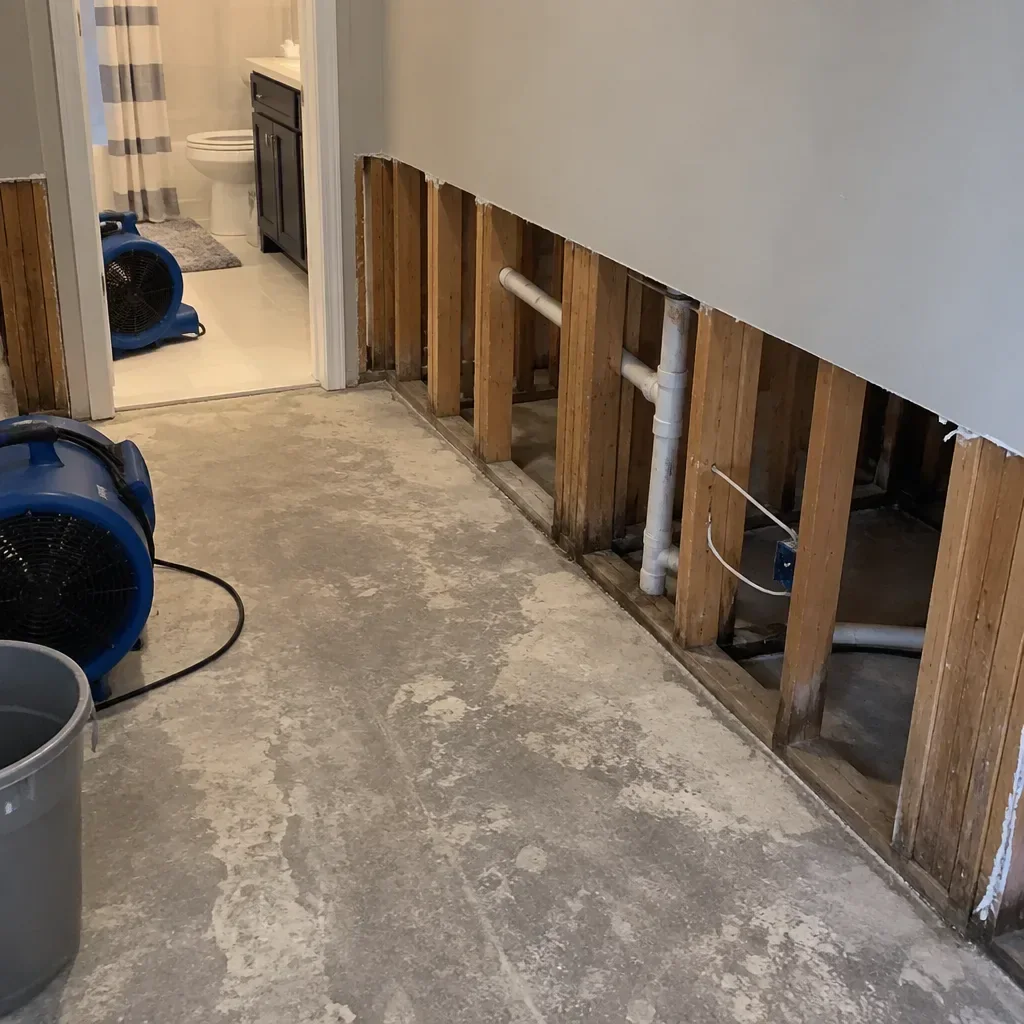
What a Sewer Backup Can Damage
Longmont’s sewer guidance distinguishes service-line problems from main-line problems. That matters because cleanup can address contamination indoors, while locating the blockage may call for a separate investigation. The city’s process helps identify where the problem lies; the property address alone does not establish the cause.
Longmont’s documented 2013 flood damaged infrastructure along the St. Vrain Greenway, but that history does not establish why a particular home has a backup. For a property near Sandstone Ranch or elsewhere, cost should follow the observed contamination and materials, not an assumed cause.
Residential cleanup inquiries come from properties in Longmont and around Boulder. The pros we connect you with can verify service for the specific home, because the city name does not show which provider serves it or whether the property uses public sewer.
Restoring Safe, Clean Surfaces
- ROOMS
- The number and layout of affected rooms shape how much area needs assessment, containment, and treatment.
- MATERIALS
- Material type matters: some surfaces can be cleaned, while sewage-contaminated absorbent layers may need removal.
- EXTRACTION
- Extraction removes wastewater; drying addresses moisture that remains in affected building materials afterward.
- DRYING
- Longmont’s sewer investigation can help locate a line problem, while indoor cleanup scope depends on the damage found in the home.
- WORK SCOPE
- A Longmont sewage backup estimate should separate interior cleanup from source work: extraction, material handling, disinfection, odor treatment, and drying shape the cleanup portion.
- SAFE ACCESS
- At a Longmont home near the St. Vrain Greenway, the time of year cannot show how far a backup reached indoors. The estimate still needs an inspection of affected rooms and building materials; seasonal conditions alone do not set the cleanup scope.
- SOURCE DIAGNOSIS
- an estimated $2,700–$6,800
Looking Beyond the Sewer for Water Sources
Plumbing repair cost. It is easy to group it with cleanup because both may follow one backup, but plumbing work investigates or repairs the source while cleanup treats sewage and damage inside the home. Compare the scope descriptions: cleanup covers contaminated materials and surfaces inside the structure; plumbing covers locating or correcting the backup source. A sewer backup estimate for cleanup should describe the affected-area work, while source investigation may require a separate plumber.
Cleaning Surfaces After Contamination
The cleanup provider first assesses where sewage traveled and what materials it reached. The provider then separates the affected area, extracts wastewater, and removes materials that cannot be safely cleaned. That assessment determines which surfaces and rooms need further treatment.
After extraction and any removal, affected surfaces are cleaned and disinfected using products as their labels direct. Odor treatment may follow if needed. Drying can continue after visible water has been removed.
A single cleanup visit may be enough after the flow of sewage has stopped and the affected area can be cleaned and dried. If the backup is still occurring, a plumber may need to locate a blockage or repair the sewer line; that source work is separate from cleaning inside the home.
WHAT INITIAL CONTAMINATION CONTROL COVERS BEFORE REPAIR PLANNING
| Drying Needs |
Confirm the Service Type |
|---|
| Sewage reached only a few surfaces | Address sewer verification |
| Fresh sewage signs after cleanup | Porous debris removal |
| Affected rooms may include multiple building materials | Sewage-soiled contents cleared; surfaces sanitized, structure dried |
REMEDIATION TASKSAsk for a written scope that lists the cleanup work the licensed pros we connect you with plan to perform. CDPHE guidance addresses sewage exposure. Ask which protective steps apply at the property, and keep the invoice with the home’s records.
Clues That Call for Further Review
When sewage remains in flooring or wall materials, contamination and moisture can persist after the visible water is gone. That can add removal, cleaning, disinfection, and structural drying to the cleanup. At a Longmont property near the St. Vrain Greenway, as elsewhere, the actual affected materials determine the work.
Record Visible Damage From a Safe Distance
Avoid using sinks, toilets, or drains while sewage is backing up. From a dry, safe location, photograph visible damage and note which areas appear affected. Do not enter sewage or handle contaminated materials, and stay clear of electrical hazards. Leave extraction, material removal, cleaning, and disinfection to the pros we connect you with.
Protective Steps Around The Cleanup Area
Sewage exposure is a health hazard, so keep the work area closed off while cleanup is underway. In Longmont, avoid applying household disinfectants to affected surfaces without checking the product label; contact time and safety directions matter. If the directions cannot be followed safely, leave treatment to cleanup professionals. A lingering odor alone does not show that a surface has been disinfected.
Which Cleanup Steps Shape the Final Estimate?
Ask for an estimate based on the rooms reached, materials that must be removed, and drying needed after affected surfaces are cleaned.The guide range reflects cleanup work in affected rooms, including material removal, surface treatment and drying where the assessment calls for them; it excludes plumbing diagnosis or repair. For a Longmont property, give the address and a useful location reference, such as Coal Creek or Northern Water. The pros we connect you with confirm any visit charge and written scope directly.Find full cleanup cost ranges in the pricing guide, with notes on what can change an estimate.